Struggling with Bloating After 55? These 10 Foods Can Help
As I’ve gotten older, my body has definitely started reminding me that digestion isn’t as simple as it used to be. Constipation, bloating, heartburn — they show up more often than I’d like. But I’ve also learned that what I eat makes a huge difference.
There are some foods that genuinely help my digestive system stay on track, and most of them are easy pantry staples I never really paid much attention to when I was younger. Now? They’re my go-to’s. Here are ten foods that make a big difference for me — and might help you too if you’re noticing the same changes after 55.
The Magic of Whole Grains for Aging Digestive Systems
Want to save this post?
Enter your email below and get it sent straight to your inbox.
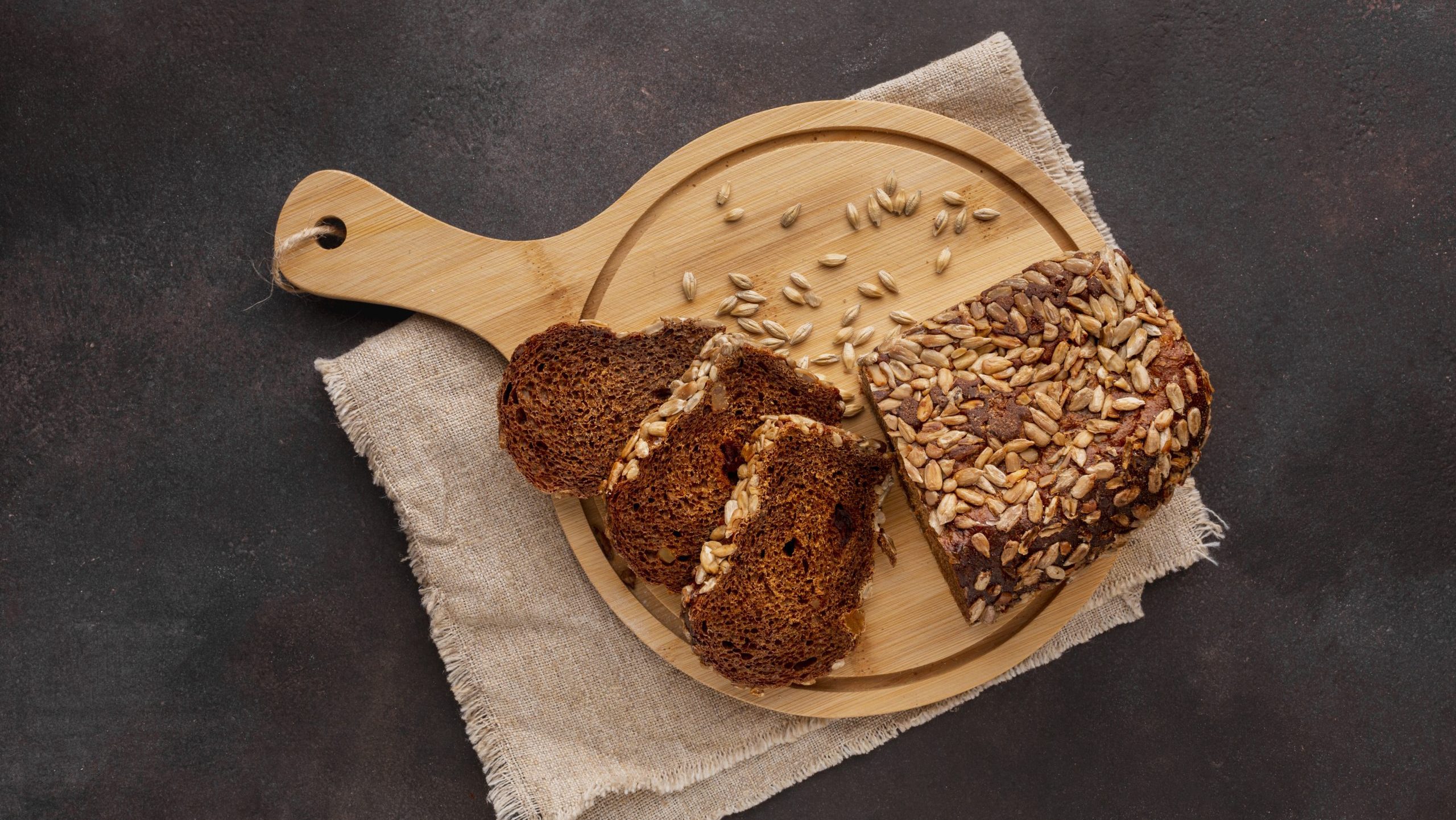
I used to think white bread and plain pasta were harmless, but when I started switching to whole grains, I noticed a real difference. Whole grains like brown rice, oats, and sprouted wheat bread are packed with fiber, which is what keeps your digestion moving along.
Beyond the fiber, whole grains are loaded with B vitamins and minerals like magnesium and selenium that support energy and metabolism. I used to worry they’d taste too “earthy,” but after a few weeks of swapping them in, I honestly prefer the nuttier flavor. If you haven’t made the switch yet, start small — try mixing half white rice with half brown rice, or choose a whole wheat wrap instead of white. It adds up.
Fiber-Rich Flaxseeds: An Old Age Digestive Aid
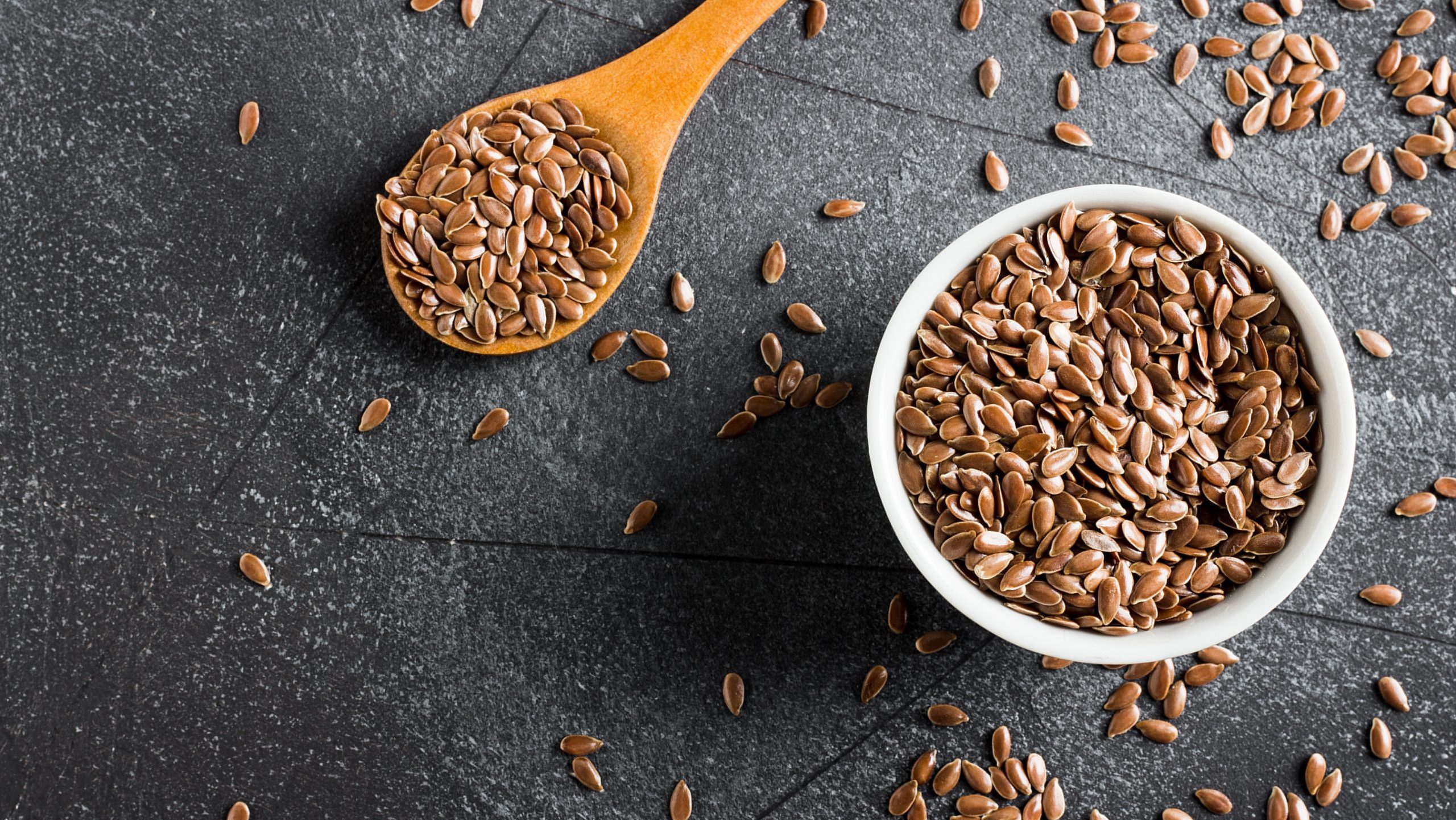
These tiny little seeds don’t look like much, but wow do they make a difference. Just two tablespoons give you about six grams of fiber, and they’ve got a special kind called mucilage fiber that adds bulk and helps keep things moving. I first tried flax by stirring it into oatmeal, and now I sprinkle it on salads and yogurt too. It blends in so easily that I barely notice it’s there — but my digestion definitely does.
Flaxseeds also have healthy fats that support heart health, which is another bonus as we age. I buy them ground because they’re easier for my body to absorb (the whole seeds can just pass right through). If you haven’t added flax to your routine yet, it’s one of those small changes that pays off quickly.
Ginger: An Ancient Remedy for Modern Digestive Issues
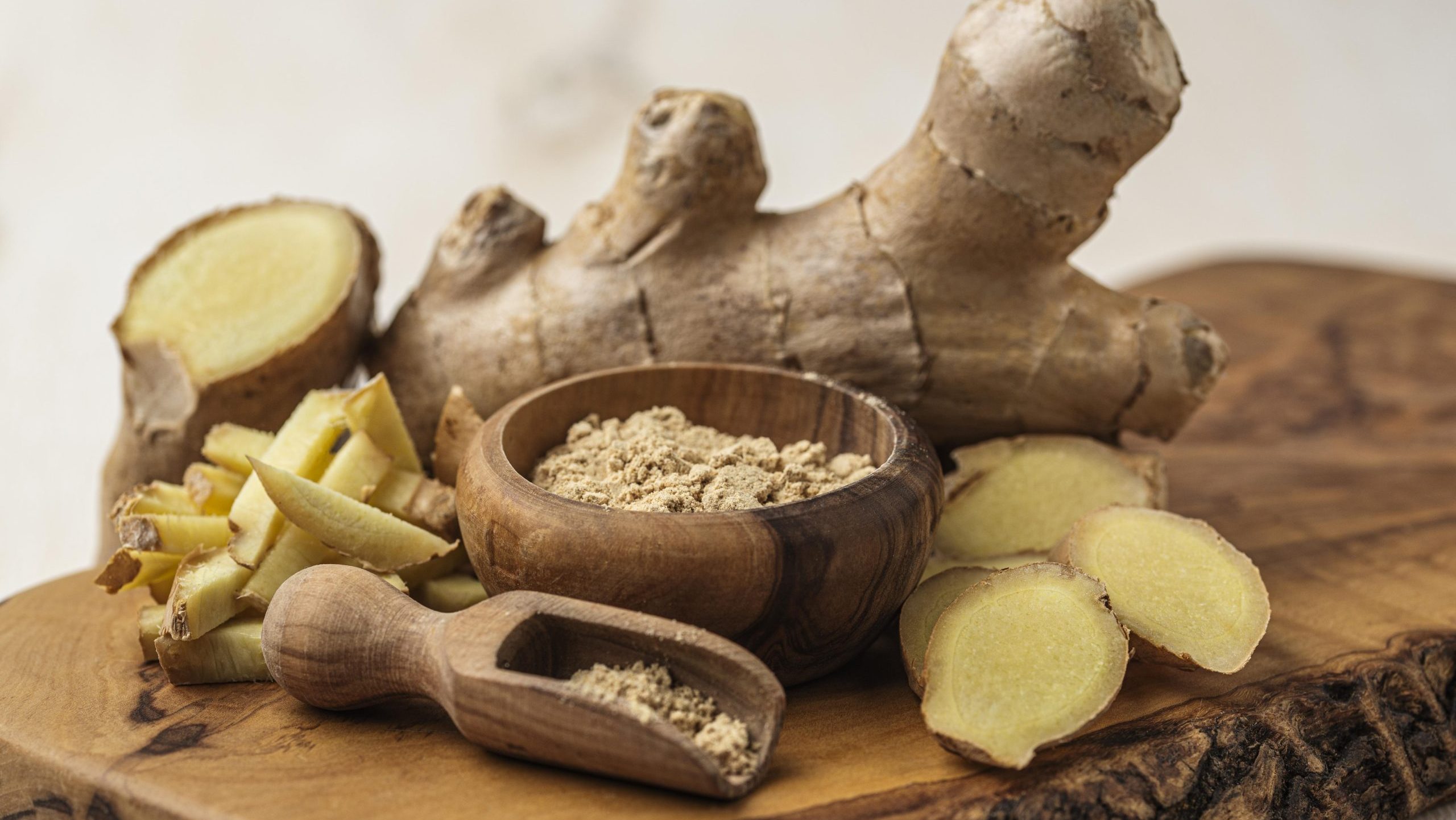
Ginger has been used for centuries to help with nausea and digestion, and it still works just as well today. Whenever I feel bloated or sluggish after a meal, a cup of ginger tea really helps calm things down. It’s known for reducing inflammation and speeding up gastric emptying (which basically means food moves through your system faster instead of sitting there making you uncomfortable).
I also love tossing fresh ginger into stir-fries, soups, or even smoothies. It adds a spicy kick and gives me that extra digestive boost. If you’re dealing with bloating or heartburn more often these days, ginger is one of those easy, natural fixes that really makes a difference.
The Benefits of Probiotic-Rich Yogurt for Seniors

Yogurt is one of those simple foods that feels like a treat but works hard behind the scenes. It’s full of probiotics — the “good bacteria” that keep your gut balanced. WebMD even recommends yogurt for better digestion as we get older. For me, it helps cut down on that uncomfortable bloating and keeps my stomach feeling calmer overall.
I stick to plain, unsweetened yogurt because the flavored ones are usually loaded with sugar. I’ll add berries, flaxseeds, or even a drizzle of honey to keep it interesting. I’ve noticed when I eat yogurt regularly, I feel lighter and more energetic — it’s like my gut is actually happy with me for once.
Utilizing Peppermint to Soothe Digestive Discomfort
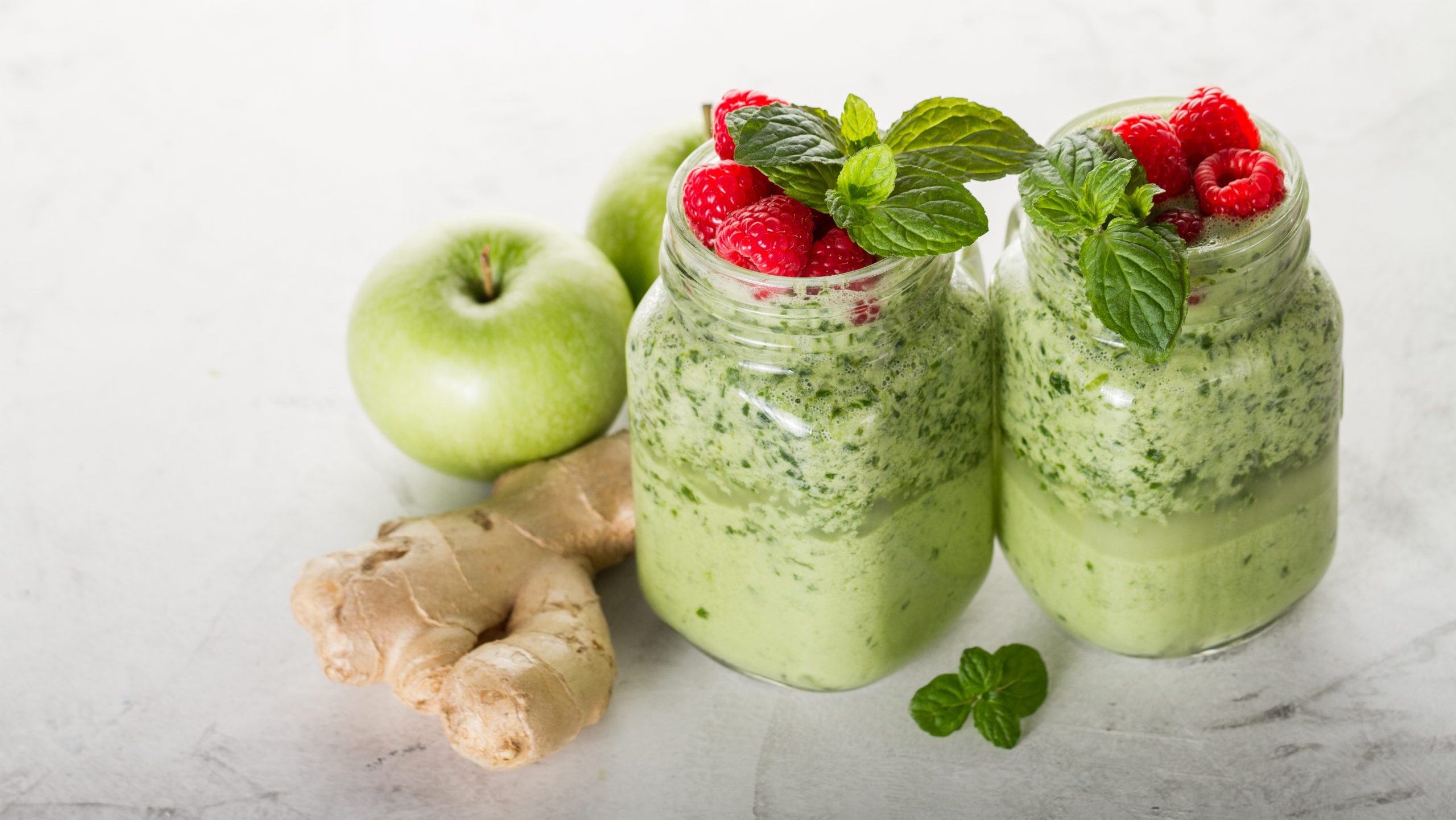
Peppermint is such a simple thing, but it works wonders. It naturally relaxes the muscles in your digestive tract, which helps reduce bloating and indigestion. For me, peppermint tea in the evening is a lifesaver — it settles my stomach and feels soothing after a long day.
Sometimes I’ll toss fresh mint leaves into a smoothie or even chop them into a salad. It adds a fresh kick while also giving my digestion a little extra support. It’s funny how something so small can make such a difference.
The Power of Papaya for Senior Digestive Health
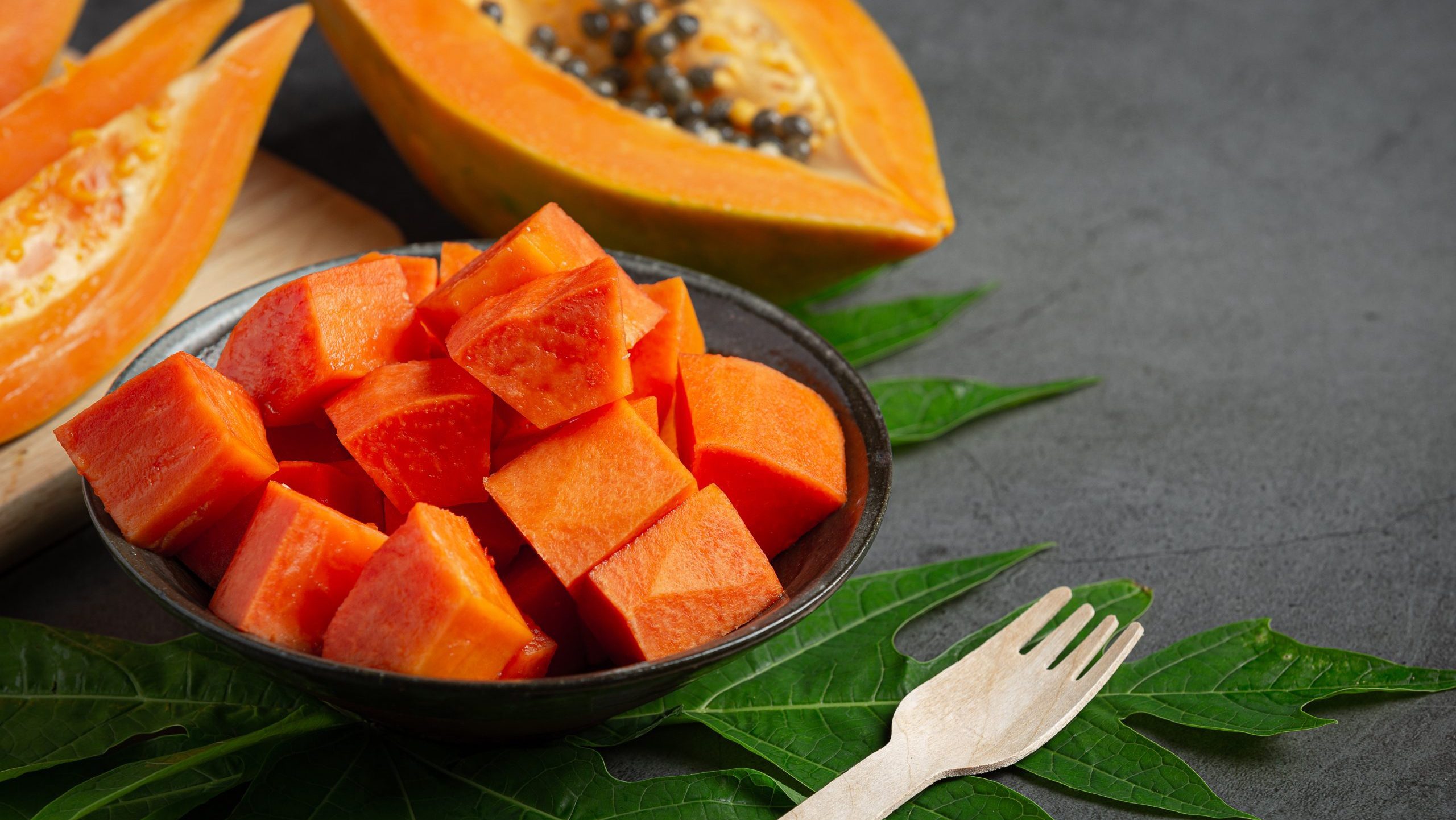
Papaya is one of my favorite “treat” fruits, and it also happens to be great for digestion. It contains an enzyme called papain that helps break down proteins, which makes big meals easier on your stomach. I love cutting up papaya as a snack, but it’s also delicious in smoothies or fruit salads.
What I’ve noticed is that papaya feels light but still satisfying. It doesn’t weigh me down like some desserts or heavier fruits do. If you’ve never tried it, papaya might surprise you — it tastes amazing and your stomach will thank you later.
Oatmeal: A Comfort Food That Boosts Digestion
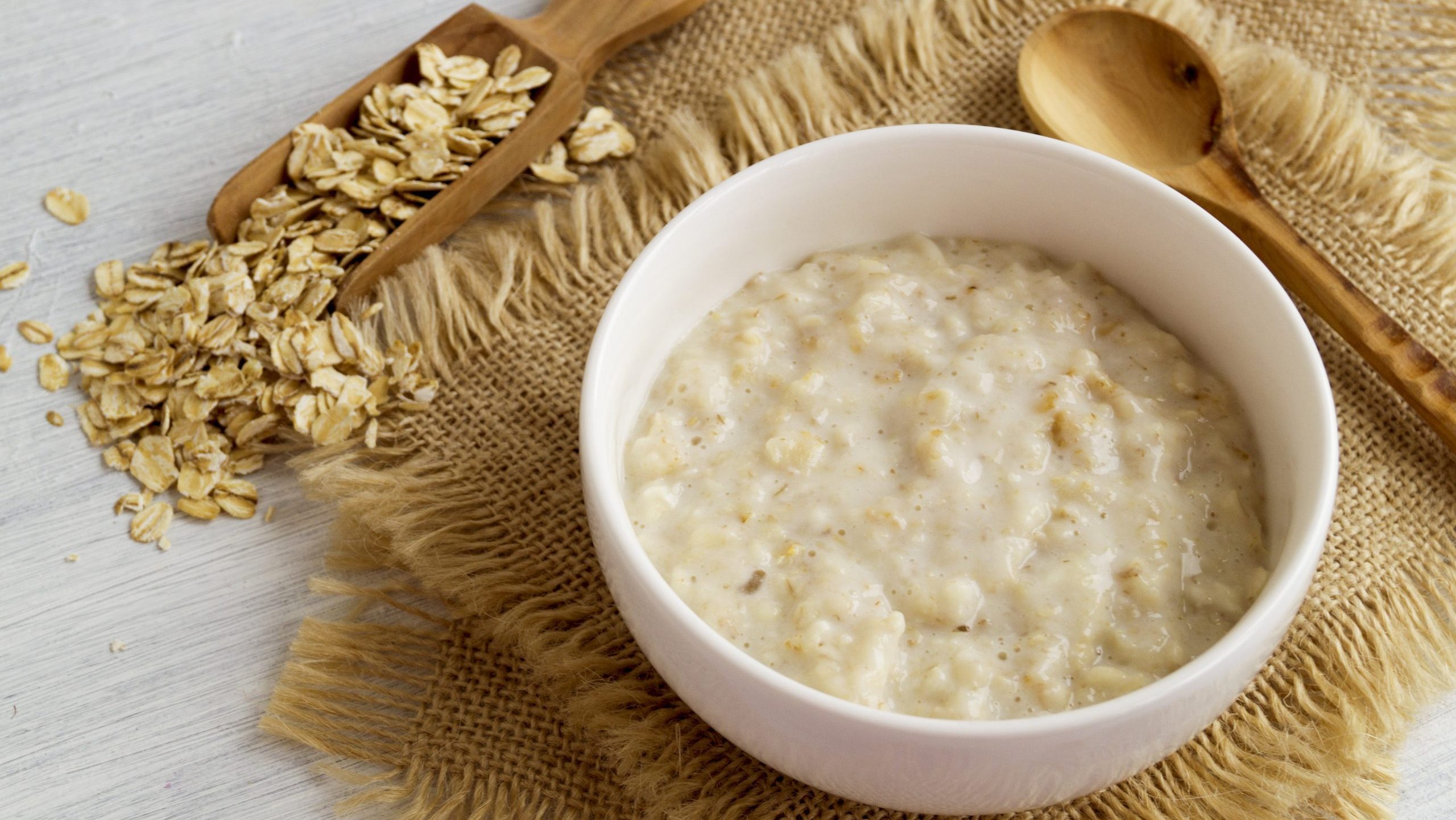
Oatmeal is one of those breakfasts that feels cozy and familiar, but it also happens to be perfect for digestion. Like other whole grains, oats are full of fiber, which helps prevent constipation and keeps things moving. I top mine with berries, flaxseeds, or even a spoonful of almond butter for extra flavor.
I used to think oatmeal was boring, but once I started mixing up the toppings, it quickly became one of my favorite meals. It keeps me full all morning without feeling heavy. Plus, it’s such an easy way to get more fiber without even trying.
How Fennel Seeds Can Improve Your Digestive Health Over 55
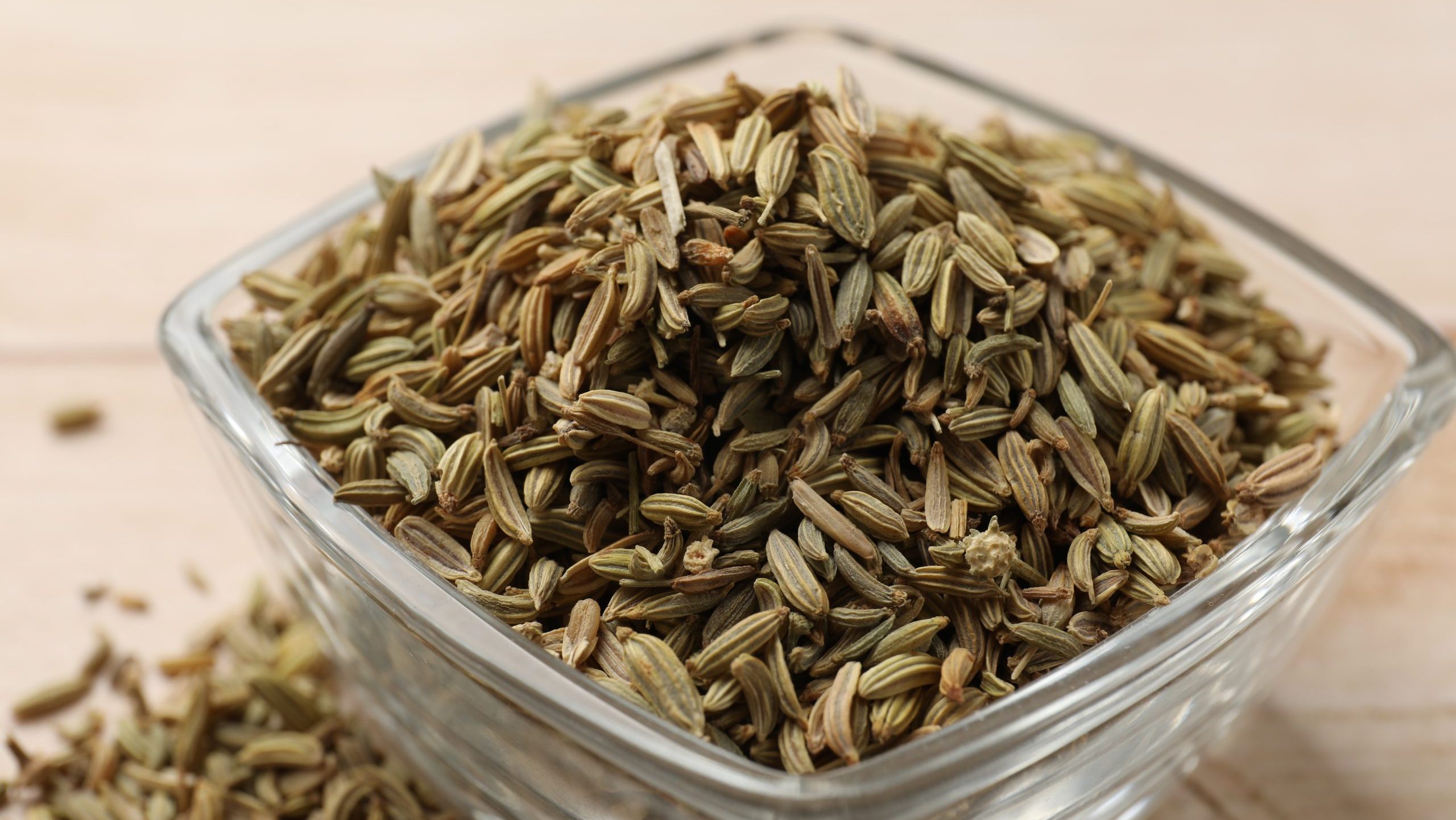
Fennel seeds are one of those old remedies I never paid attention to until recently. They’ve got a light licorice flavor, and chewing a few after a meal really does help with bloating and gas. BBC Good Food recommends them too, so it’s not just an old wives’ tale.
I also love adding fennel seeds to roasted veggies or soups. It adds a subtle sweetness while helping my stomach feel calmer. They’re simple, natural, and surprisingly effective — definitely a hidden gem in the pantry.
The Advantages of Aloe Vera Juice for Digestive Wellness
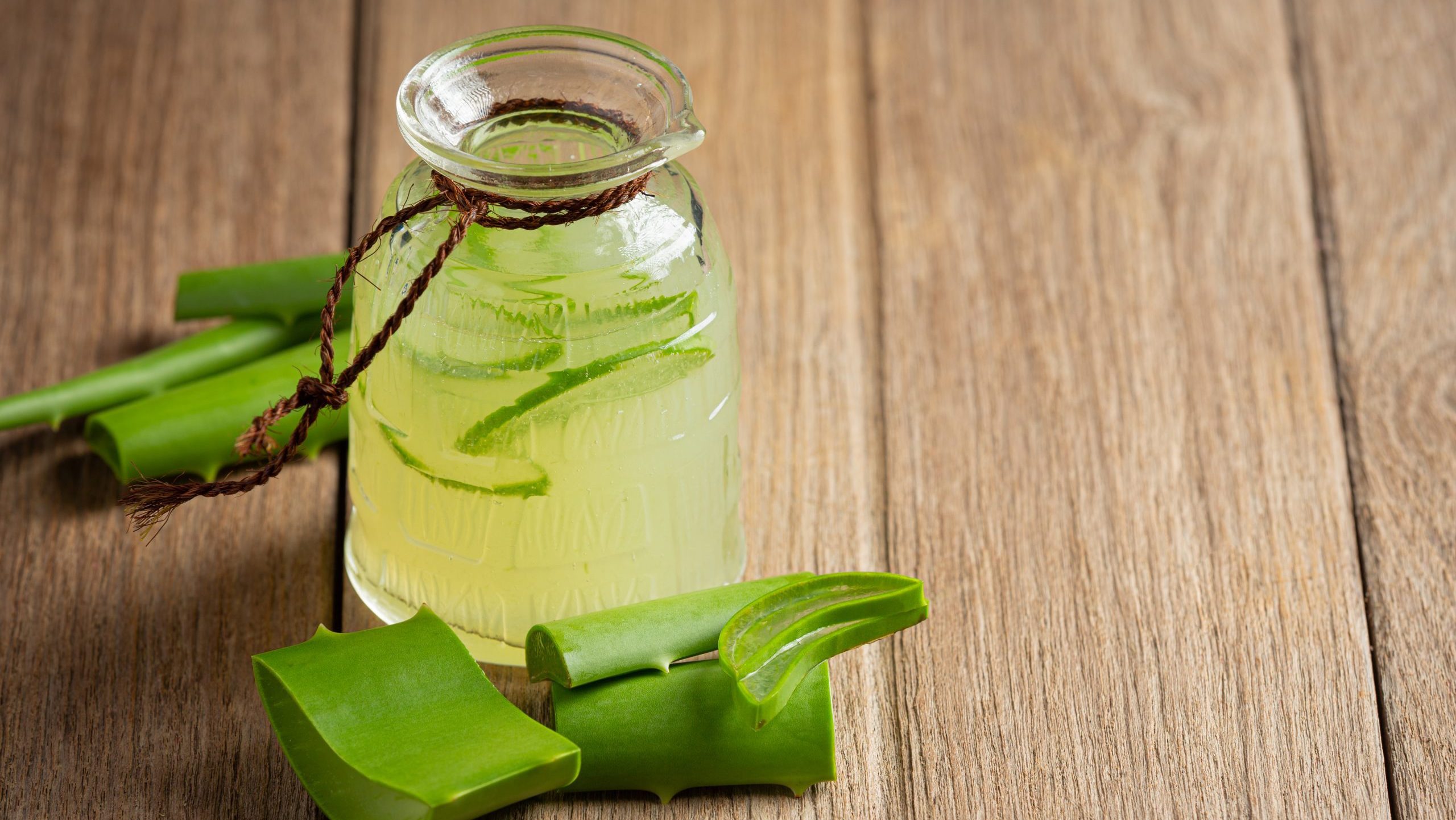
I always thought aloe vera was just for sunburns, but it turns out the juice is also great for digestion. It contains enzymes that help break down food, which makes meals easier on the stomach. The key is finding pure aloe juice without added sugars or fillers — otherwise, you’re undoing the benefits.
I don’t drink it every day, but when I do, I feel like my stomach gets a little “reset.” It’s refreshing, soothing, and gives me that light, clean feeling afterward. Definitely worth trying if you’re dealing with indigestion more often.
The Digestive Perks of Consuming Apple Cider Vinegar

Apple cider vinegar was one of those health trends I was skeptical about, but I decided to give it a try. And honestly, it does help me. Healthline notes that it can stimulate digestive juices and make it easier for your body to break down food. I’ll mix a tablespoon into warm water and drink it before a meal.
The taste takes some getting used to, but I feel less sluggish afterward. It’s not a magic fix, but it’s one of those little tricks that, when combined with the other foods here, helps me feel more in control of my digestion.
If you’re curious about more ways to make healthy living easier (and actually stick to it), I’ve shared some of my favorite tips over on my blog:
- Meal Prep for Weight Loss — how I plan ahead without feeling overwhelmed.
- It’s Not Willpower, It’s Procrastination That’s Sabotaging Your Weight Loss — this one hit home for me!
- 3 Habits for Effective Body Recomp with Optimal Results — the habits that are actually working right now.